
PERU
Cuzco
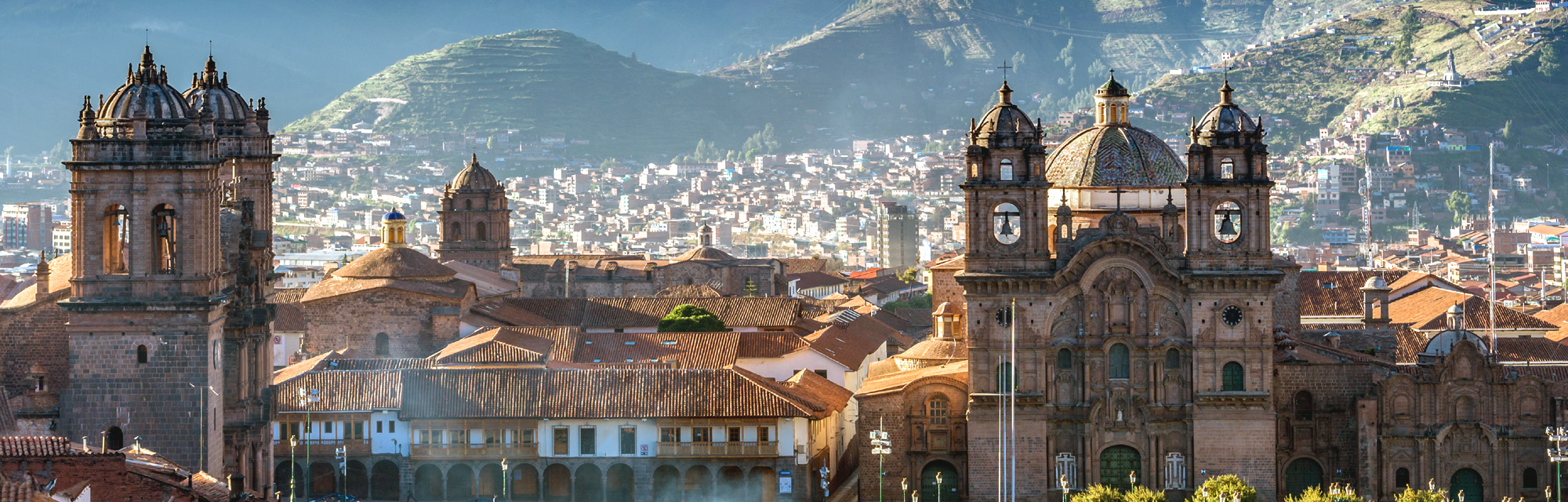
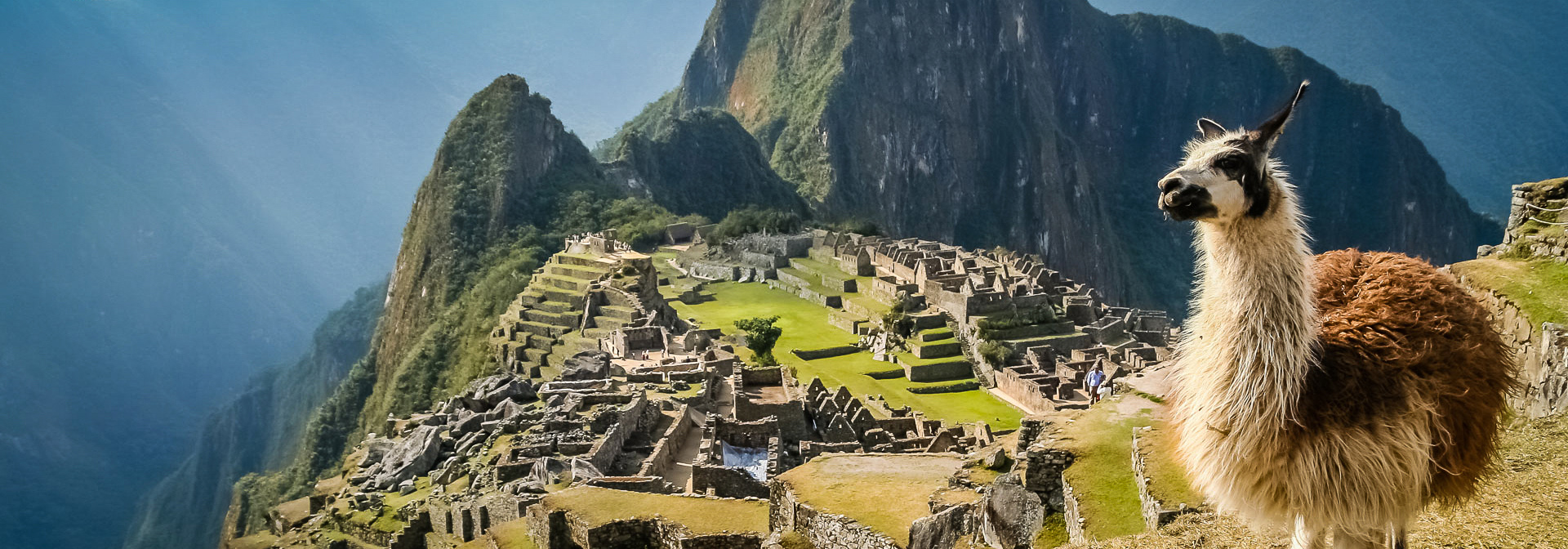
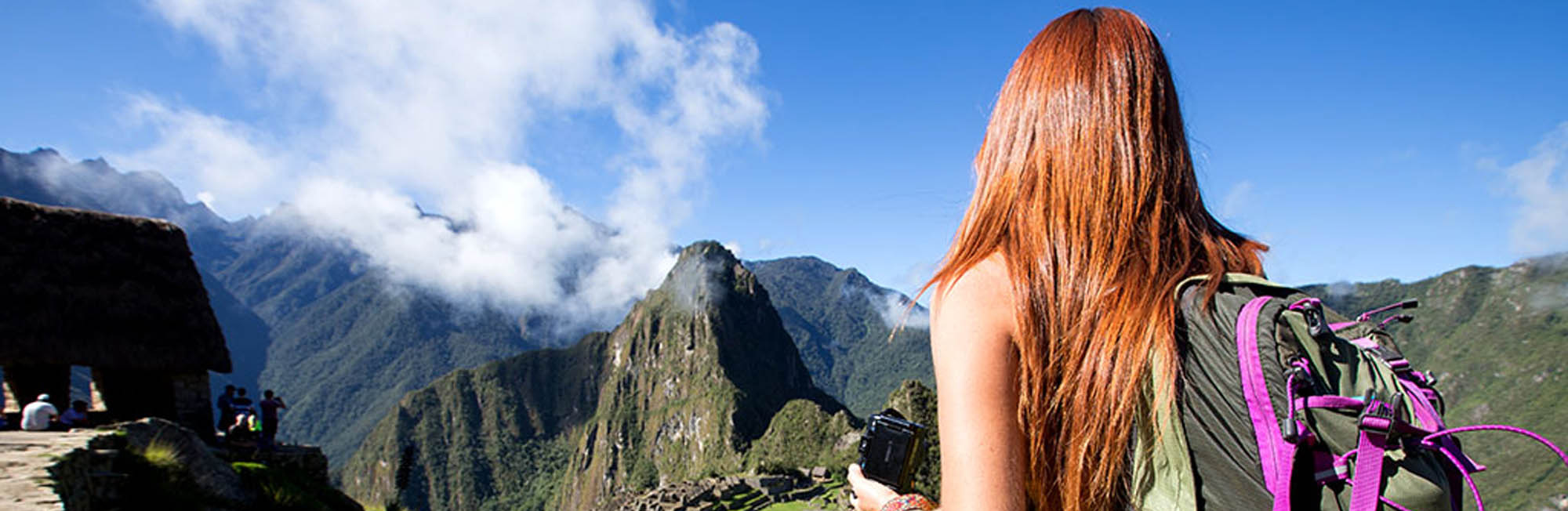
Cuzco (also Cusco, or Qosqao in the Quechua language) is the most celebrated city in South America. Cuzco was the capital and major city of the Inca empire. Today, it is the undisputed archaeological capital of the Americas and gateway to Machu Picchu.
Cuzco is South America’s oldest continuously inhabited city. The Killke lived in the region as early as 900 A.D. The Incas occupied Cuzco in the 1200s and made it the political, administrative and military base for their expanding empire. Many believe that the Incas planned the city as an effigy in the shape of a puma, a sacred animal. The first Spaniards arrived in Cuzco in 1533. It quickly became the center for Spanish colonization and spread of Christianity in the Andean world. After Peru declared its independence in 1821, Cuzco maintained its importance within the administrative structure of the country.
Cuzco’s architecture is a mixture of Killke, Inca and colonial style. Just as the Inca built on top of Killke structures, Spanish buildings were based on the massive stone walls built by the Inca. The Santa Clara and San Blas neighborhoods are excellent examples.
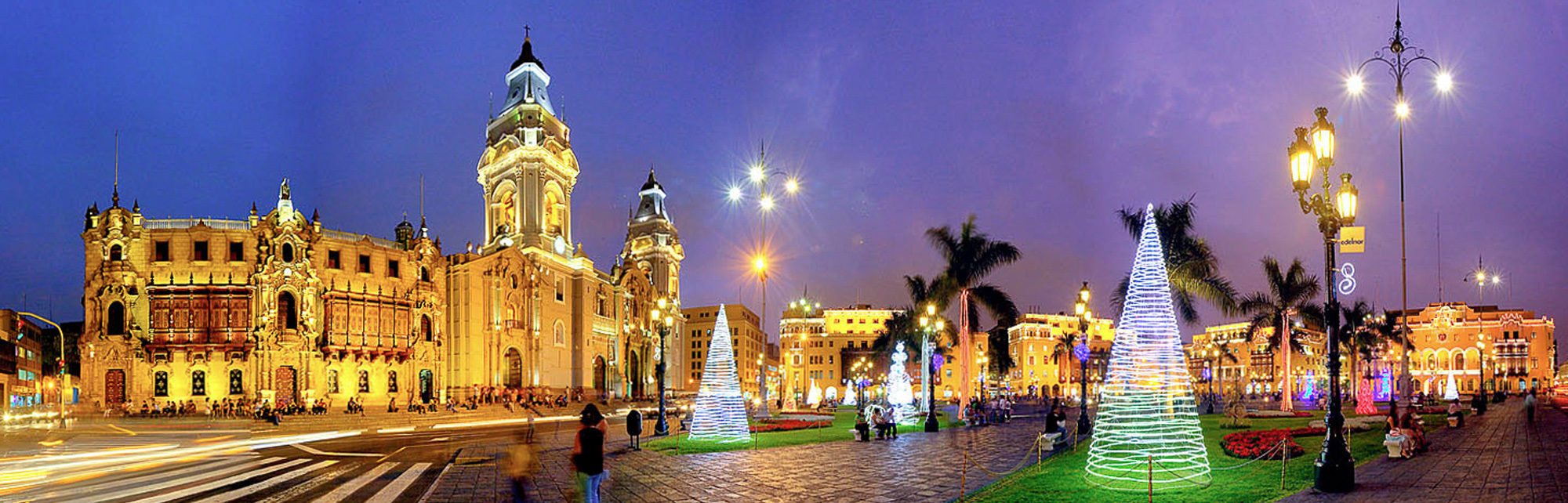
Cuzco was very prosperous during the Inca empire and early Spanish colonization, but eventually gave way to Lima as the most important city in Peru. In 1911, explorer Hiram Bingham used the city as a base for the expedition in which he rediscovered the ruins of Machu Picchu. Since then, Cuzco has become one of the leading tourist destinations in Latin America. The population increased from 28,000 at the turn of the 20th century to more than 300,000 today.
Republic of Peru
The Republic of Peru is characterized by cultural and natural diversity. The Peruvian population is multiethnic, including Amerindians, Europeans, Africans and Asians. The mixture of cultural traditions has resulted in a wide diversity of expression in art, cuisine, literature and music. The main spoken language is Spanish, although a significant number of Peruvians speak Quechua and other native languages.
Peru is bordered by Colombia, Ecuador, Brazil, Bolivia, Chile and Pacific Ocean. Peruvian territory was home to the Norte Chico civilization, one of the oldest in the world, and to the Inca Empire, the largest state in Pre-Columbian America. The Spaniards conquered the region in the 16th century and exerted their economic and cultural influence for more than 300 years. Peru became an independent country on July 28, 1821.
After independence, the country went through two centuries of political unrest and fiscal crisis. Today, Peru is a stable representative democratic republic with a growing economy. Its main economic activities include agriculture, fishing, mining, and manufacturing (mostly textiles).
Peru’s geography varies from the arid plains of the Pacific coast to the peaks of the Andes mountains and the tropical forests of the Amazon Basin. Peru is one of 12 countries in the world with a mega biological diversity; ranking 1st in birds and butterflies, 3rd in amphibians and mammals, and 5th in fish.
QUICK FACTS
- Population of Peru: 28.5 million
- Official Language: Spanish
- Currency: Nuevo sol (PEN)
- Local time in Peru: GMT-6
- Population of Cuzco: 330,000
- Elevation in Cuzco: 10,860 ft
- Climate in Cuzco: subtropical highland